

From Fields to Foreign Policy: The Indian Farmer’s Voice in Global Trade
When trade officials gather behind closed doors in Washington and New Delhi to negotiate trade deals, it often feels like those talks are miles away from the Indian soil. But for millions of farmers across India, those conversations are more than policy—they shape their daily lives, their livelihoods, and their futures.
That’s why the latest Indo-US trade deal talks have sparked growing attention not just in the corridors of power, but in the fields of Punjab, the mandis of Madhya Pradesh, and the granaries of Tamil Nadu.
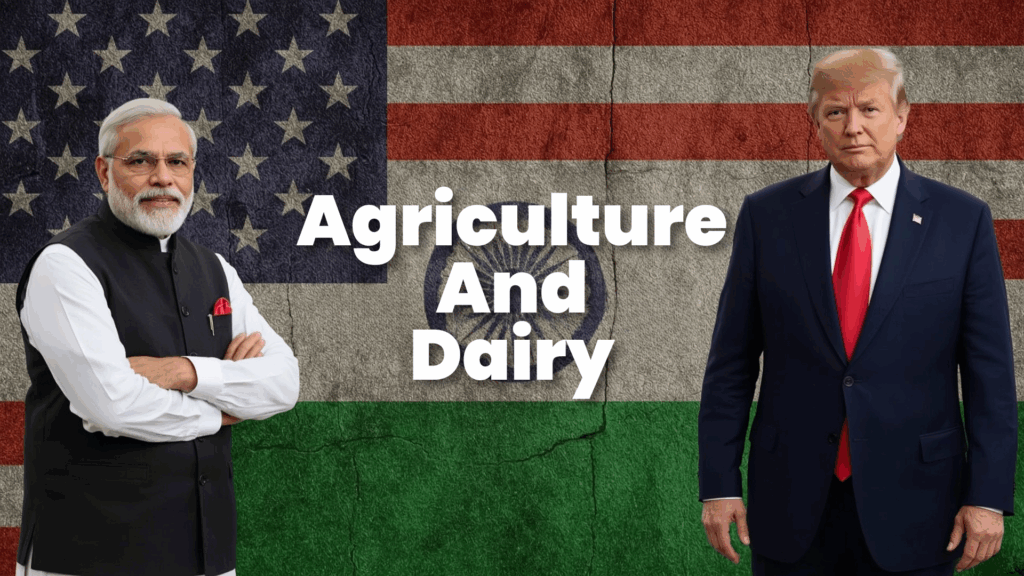
From Policy to Plough: Why This Deal Matters
The proposed trade agreement between India and the United States aims to increase market access for both nations. For India, it could mean more exports of grains, spices, and processed agri-products. For the US, it could open doors to export farm technology, genetically modified seeds, and agricultural equipment.
But here’s the twist—the Indian farmer is no longer a passive observer in this process. With growing awareness, digital tools, and the backing of farmer unions and cooperatives, rural voices are rising to demand a seat at the table. The age of silent consent is over.
The Farmer’s Perspective: Not Just About Profits
For the Indian farmer, the trade deal isn’t just about numbers. It’s about preserving soil traditions, ensuring fair prices, and protecting local ecosystems.
“If imported products undercut our prices, how do we survive?” asks Ramesh, a third-generation farmer from Maharashtra.
“And if foreign seed tech replaces native varieties, what happens to our crop resilience?”
These questions aren’t rhetorical—they’re rooted in generations of lived experience. Indian agriculture isn’t a commodity exchange; it’s a cultural identity.
A Vote That Truly Matters
In a groundbreaking shift, India’s trade panel has begun inviting input from farming cooperatives and agribusiness stakeholders during pre-deal consultations. This means farmers’ voices—once distant echoes—are now part of the core conversation. Whether it’s about pesticide regulations, organic labeling, or export incentives, Indian farmers are starting to have the final vote on what enters or exits their land.
It’s not just democracy—it’s agricultural sovereignty in action.
Looking Ahead: A Future Built on Balance
India doesn’t need a one-sided deal. It needs a balanced partnership—one that respects the land, values the farmer, and encourages innovation without erasing tradition. The challenge is real: embrace global trade while protecting local livelihoods.
But the opportunity? It’s even greater.
By empowering farmers with a voice in trade deals, India is setting a new precedent—where food security, farmer dignity, and global cooperation go hand in hand.
As the talks with the US continue, one thing is clear: no deal is final unless the Indian farmer approves.
